TRASHIGANG
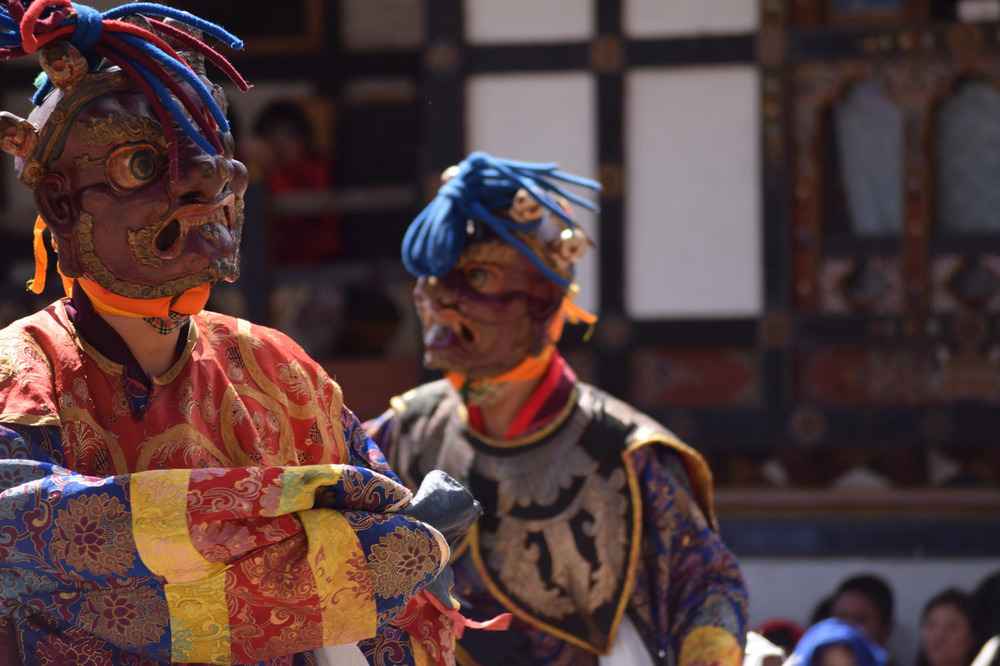
Nestled among the rolling mountains of eastern Bhutan, Trashigang is a captivating town where tradition, nature, and warm hospitality blend beautifully. Known as the cultural heart of the east, this charming destination welcomes travelers with colorful markets, ancient monasteries, and breathtaking valley views. The majestic Trashigang Dzong rises proudly above the Dangmechhu River, reflecting centuries of Bhutanese heritage and spiritual devotion. Winding roads lead through peaceful villages, terraced fields, and forests alive with birdsong, creating unforgettable journeys for every visitor. During vibrant local festivals, masked dances and traditional music fill the air with joy and cultural pride. Whether watching golden sunsets over misty hills, meeting friendly locals, or exploring sacred temples, Trashigang offers an enchanting experience that reveals the authentic beauty, serenity, and timeless soul of Bhutan to all who wander through its valleys
PLACES TO VISIT IN TRASHIGANG
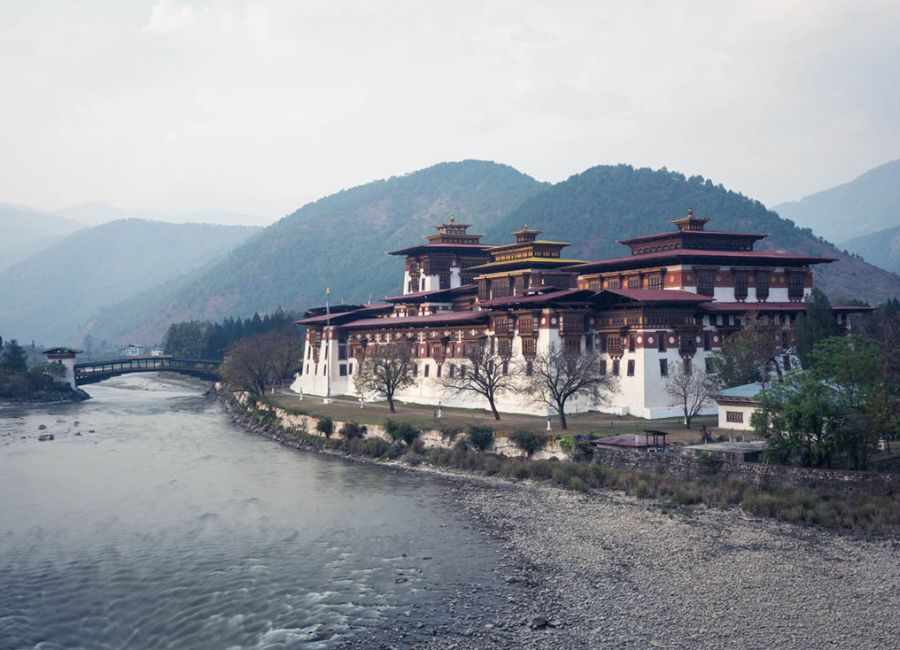
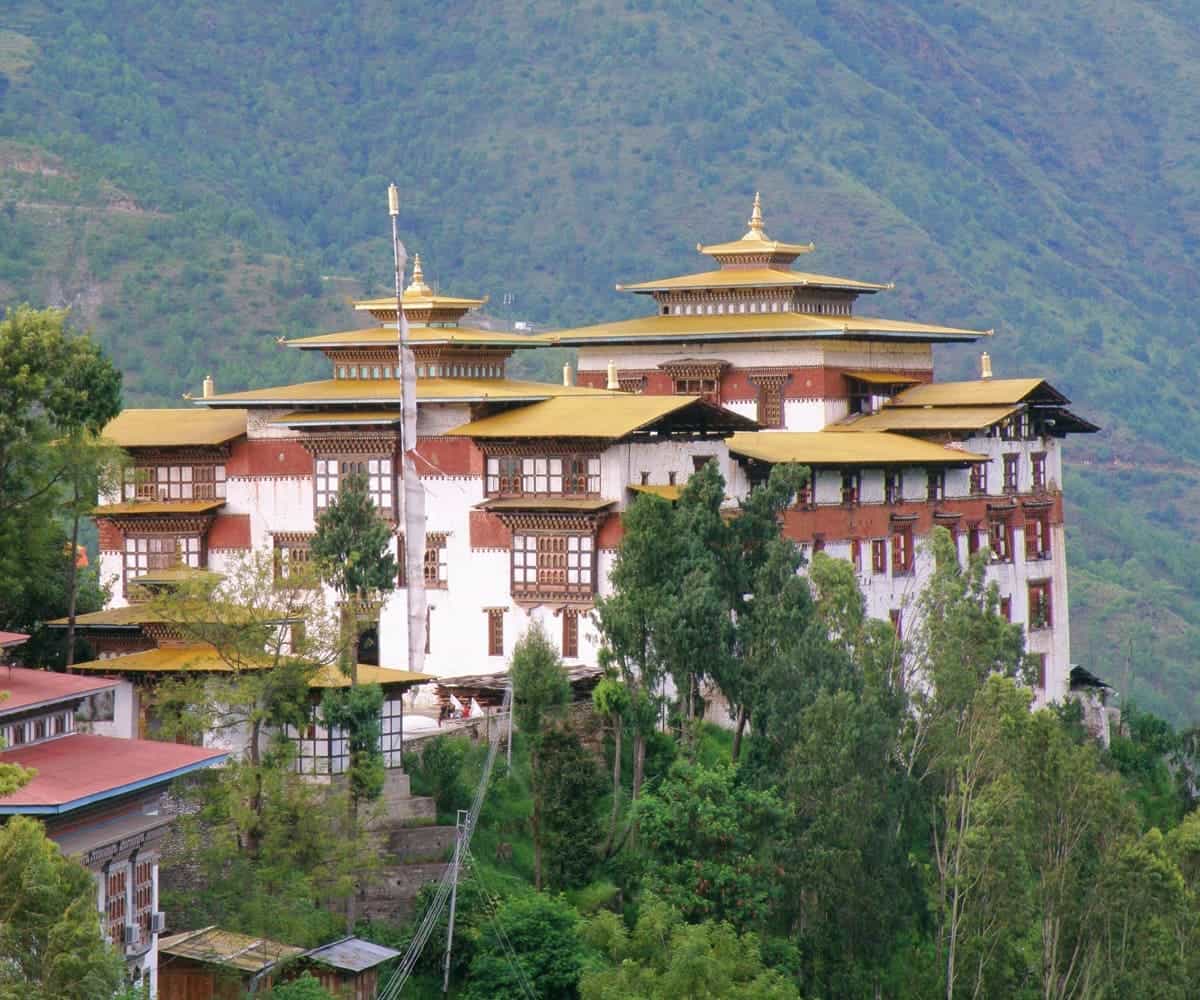
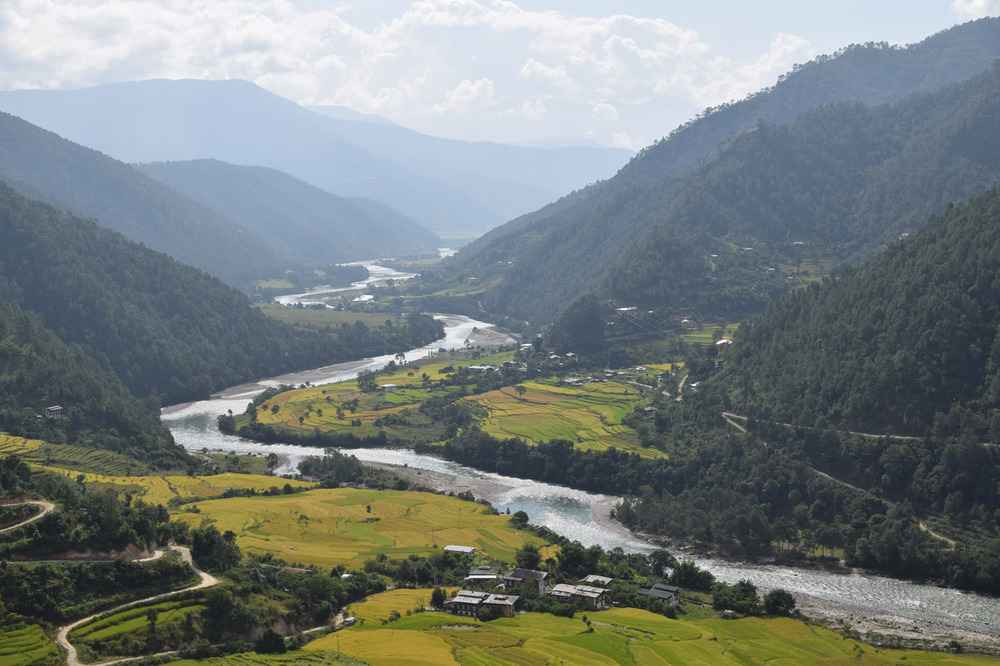
Perched high on a rugged ridge overlooking the shimmering waters of the Drangme Chhu, Trashigang Dzong rises like a timeless guardian at the edge of eastern Bhutan, where mountains fold into deep valleys and clouds drift slowly across distant horizons.
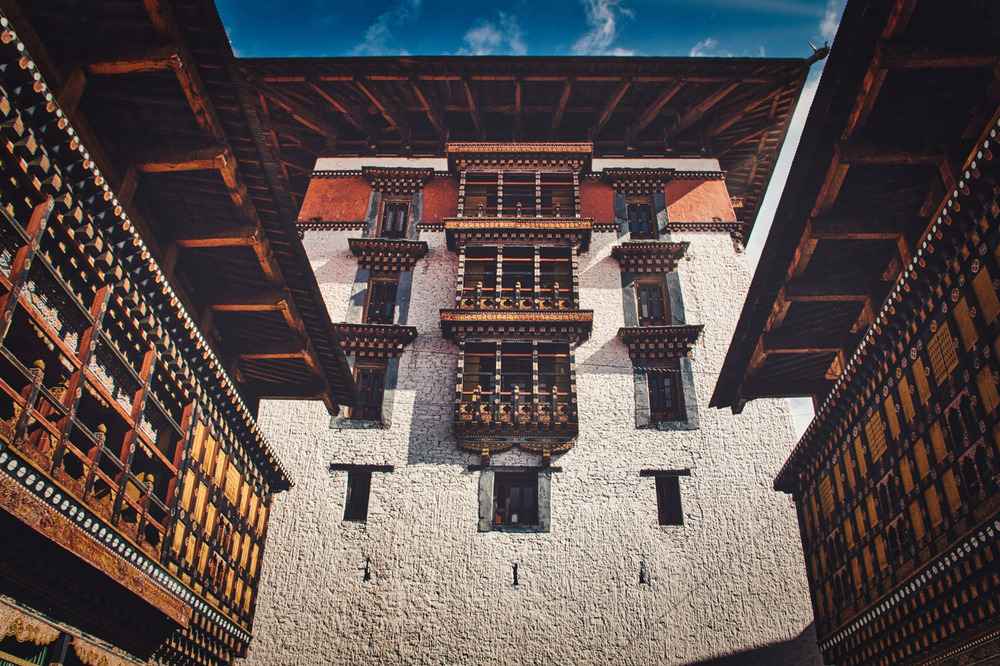
Built in the 17th century, this magnificent fortress-monastery has long served as both a spiritual center and a strategic stronghold. Its whitewashed walls and golden rooftops stand in striking contrast to the vast, untamed landscape that surrounds it, as if suspended between earth and sky.
Within its courtyards, life moves with quiet devotion. Monks pass through sunlit corridors, prayer flags ripple in the mountain breeze, and the distant sound of the river below becomes part of the dzong’s gentle rhythm. Every stone feels steeped in history, every corner shaped by centuries of faith and resilience.
From its heights, the view stretches endlessly across eastern Bhutan’s wild beauty—layered hills, winding rivers, and villages tucked into the folds of the land. It is a landscape that feels both vast and intimate, powerful yet deeply serene.
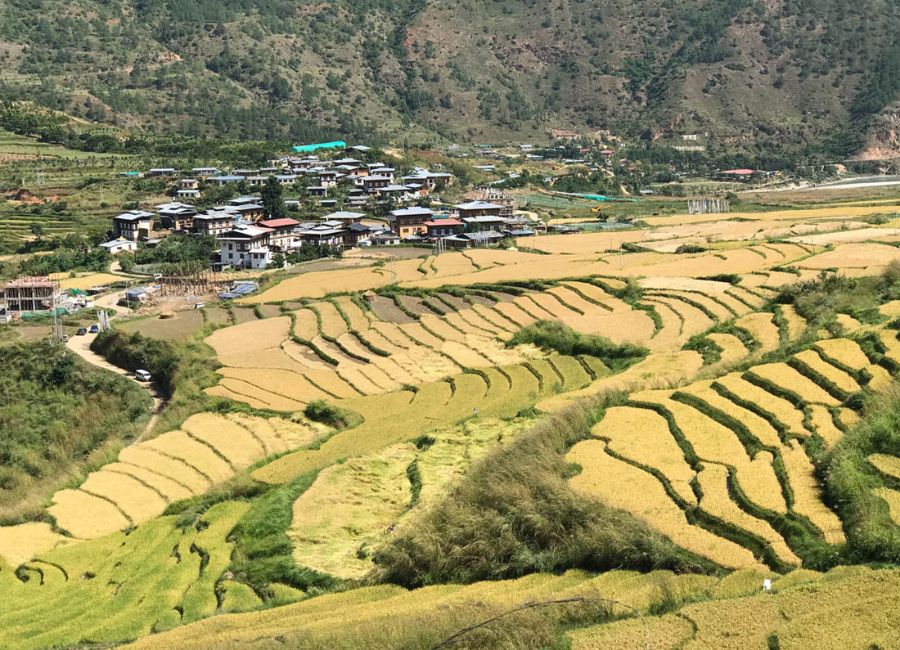
Tucked deep within the rolling hills of Trashigang District, the serene villages of Radhi and Phongmey unfold like a living tapestry of tradition, color, and timeless rural grace.
Here, the landscape moves gently—terraced fields shimmer in shades of green and gold, river valleys carve soft paths through the land, and distant mountains stand like quiet guardians beneath ever-changing skies. Life flows at an unhurried rhythm, shaped by the seasons and sustained by age-old practices passed lovingly from one generation to the next.
Radhi is especially known for its exquisite handwoven textiles, where every thread carries stories of skill, patience, and heritage. In Phongmey, the countryside opens into peaceful expanses where farmhouses rest quietly and prayer flags flutter like whispered blessings on the wind.
Together, these villages offer more than scenery—they offer a feeling. A sense of calm belonging, where the simplicity of rural life becomes something profoundly beautiful.
In Radhi and Phongmey, eastern Bhutan reveals itself softly, not in grand gestures, but in quiet moments that linger long after the journey ends.
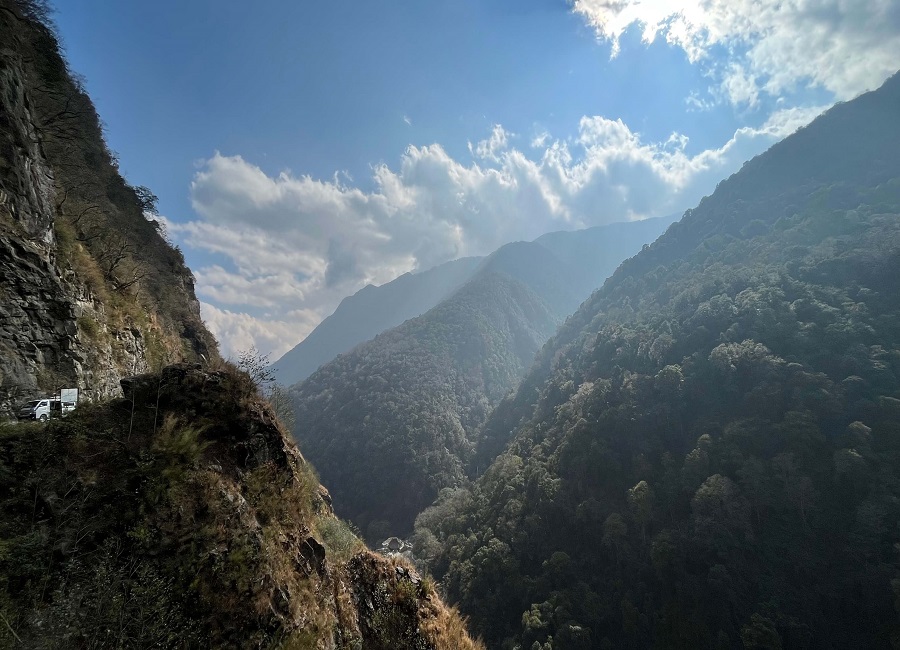
Far beyond the winding roads of Trashigang District, where mountains rise into open skies and forests slowly give way to vast alpine meadows, lie the remote villages of Merak and Sakteng—a world apart, yet deeply rooted in Bhutan’s living heritage.
Here, the land opens into sweeping highland pastures where yaks graze beneath endless skies, and traditional stone houses stand resilient against the mountain winds. The people of Merak and Sakteng, known for their distinctive culture and deep connection to nature, carry forward a way of life shaped by solitude, strength, and harmony with the wild.
The journey itself feels like a passage into another realm. Forests echo with birdsong, rivers cut through untouched valleys, and every turn of the trail reveals landscapes that feel almost untouched by time. In the crisp mountain air, silence becomes a companion, and distance transforms into beauty.
In Merak and Sakteng, Bhutan reveals its most secluded heart—where culture, nature, and spirit exist in rare and perfect balance, far from the noise of the modern world, yet close to something deeply timeless.